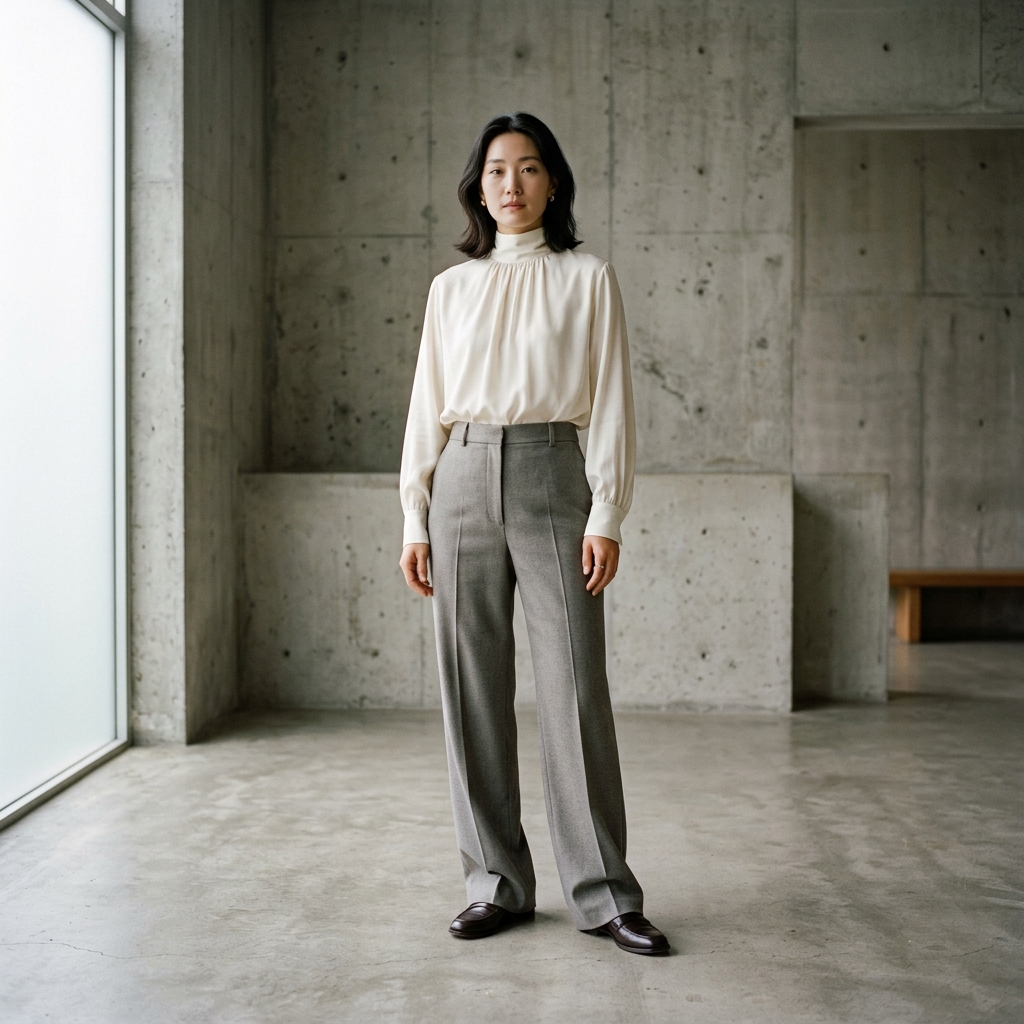
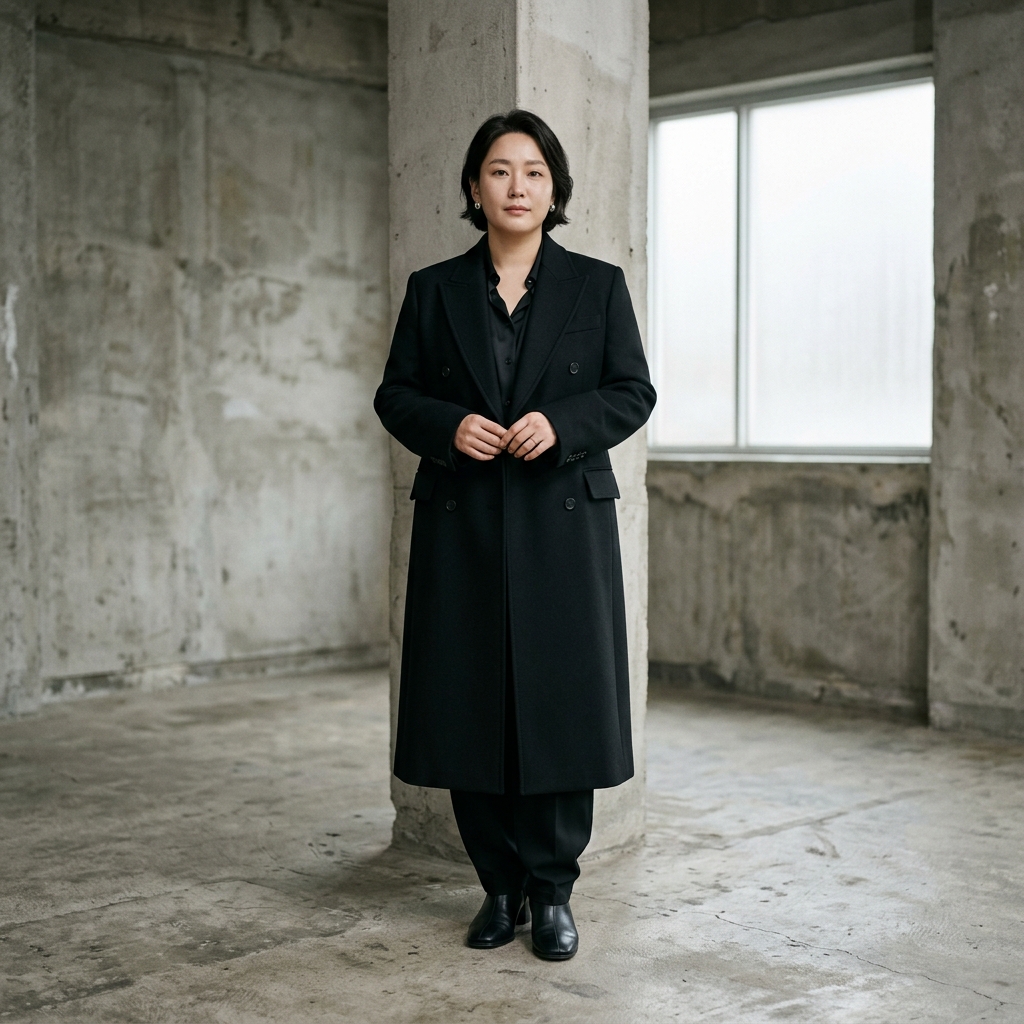
FASHword structures design intent and garment drafting rules into measurable pattern outputs — connecting technical sketch confirmation, rule translation, geometry-based drafting, validation, print, and feedback.

Garment drafting is not a visual guessing problem. Blocks, ease, darts, seam lines, curves, proportions, and body corrections all have to become points, lines, lengths, and constraints.
Much of this knowledge still lives inside books, classrooms, studio habits, and the hands of experienced makers. It can be understood by people, but it is rarely structured in a way software can calculate, validate, and revise.
FASHword focuses on that gap: how to translate pattern-making knowledge into computational drafting logic without pretending that an AI image alone can become a finished sewing pattern.
The product separates interpretation from calculation. LLMs interpret design intent and drafting instructions. A pattern DSL structures the logic. A geometry engine calculates the pattern. A validation solver checks the result before output.
Analyze silhouette, length, closure, seams, darts, panels, and visible construction cues from a reference design.
Turn interpretation into a confirmable flat sketch before any drafting logic is executed.
Translate blocks, ease, darts, seam lines, and correction rules into machine-readable drafting instructions.
Calculate coordinates, points, straight lines, curves, angles, darts, and pattern-piece relationships.
Check seam correspondence, measurement consistency, dart handling, connection errors, and print readiness.
Structure sewing notes and alteration history so future pattern logic can be corrected and refined.
A reference image is analyzed for silhouette, construction lines, garment length, closures, and key drafting cues.
The system proposes a technical flat. The user confirms the structure before pattern logic is generated.
Drafting rules are converted into DSL instructions for blocks, darts, ease, panels, seam lines, and output constraints.
A deterministic geometry engine builds the actual pattern pieces from coordinates, curves, angles, and lengths.
The solver checks seam lengths, dart logic, measurement consistency, and output scale before print.
Printed patterns and sewing feedback become structured correction data for the next iteration.
FASHword treats sewing feedback as structured drafting knowledge. The goal is not to hide revision, but to make revision legible, repeatable, and useful for the next output.
Body, design, and feedback data are handled as sensitive design data — structured for pattern improvement, not for vague personalization claims.
FASHword is designed for users who want to inspect, revise, and reuse pattern-making decisions — not simply receive a black-box output.

Turn design references into sketch-confirmed pattern conditions before sampling.

Structure alteration history, fit notes, and repeat production logic.

Show how drafting rules become coordinates, lines, curves, and constraints.

Explore future links between 2D pattern logic and digital fitting environments.
FASHword does not rely on one model to invent a pattern. The architecture separates language interpretation, pattern-rule representation, geometric computation, validation, and post-sewing feedback.
Interprets design intent, garment features, and drafting instructions.
Represents pattern-making rules as executable intermediate instructions.
Calculates coordinates, points, lines, curves, darts, and pattern pieces.
Checks seam correspondence, lengths, measurement consistency, and connection logic.
Turns output corrections into structured data for future pattern refinement.
The first PoC starts with a basic skirt pattern engine. Later phases expand into bodice, sleeve, dress, and pants logic. 3D fit evaluation and body-aware correction remain long-term research directions, not immediate product promises.
"The real knowledge often appears after the first garment is sewn."
FASHword began from more than 15 years of sewing practice, fashion design training, sample-making experience, and repeated pattern adjustment.
A pattern can look right on paper and still fail on a body, fabric, or intended silhouette. That is why the product treats patterns as drafting logic that can be checked, corrected, and calculated again.
The first goal is not full automation. The first goal is a reliable loop: rule, draft, validate, print, sew, correct, and recompile.
Validate measurement input, drafting rules, SVG/PDF output, and solver checks through a skirt block PoC.
Extend drafting logic into bodice, sleeve, dress, and pants patterns with structured rule translation.
Connect design image upload, technical flat confirmation, pattern calculation, output, and feedback-based redrafting.
Research links between 2D pattern logic, body-aware correction, and digital fitting environments as a later R&D layer.
We are starting with a basic skirt engine and looking for early users, studios, educators, and technical partners to test drafting logic, output formats, validation criteria, and feedback flows.
For partnerships, startup programs, or technical inquiries:
hello@fashword.kr
Seoul, Korea · MVP in development · Service by Cafe Lounge 24